Breakfast is the most influential meal for anyone living with diabetes or insulin resistance. In India, where Type 2 diabetes is rising at an alarming rate, most people unknowingly start their day with foods and habits that harm blood sugar stability. These early morning choices can lead to glucose spikes, inflammation, cravings, fatigue, and progressive insulin resistance.
Research shows that your first meal shapes your metabolic response for the entire day. When breakfast is unbalanced, overly processed, or mistimed, blood sugar becomes unstable and medication dependency often increases.
This detailed guide highlights the five most common breakfast mistakes Indian diabetics make, why these habits raise glucose levels, and how the Functional Medicine approach at Peak Wellness can help you correct them for sustainable diabetes reversal.
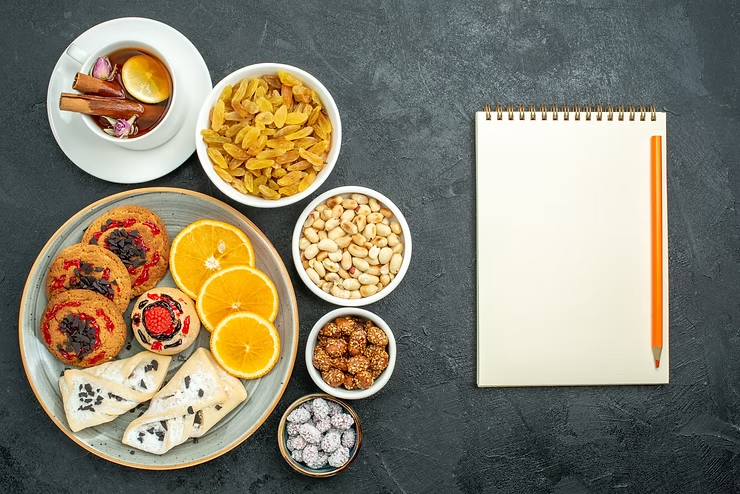
1. Tea and Biscuits as the First Meal of the Day
This is one of the most culturally common yet metabolically damaging Indian breakfast habits. Most biscuits whether labeled as digestive, low fat, high fiber, or sugar free contain refined flour, vegetable oils, and hidden sugars. Even a small serving creates rapid glucose elevation.
Milk tea also carries a high glycemic load, especially when sugar is added.
Why this increases blood sugar
- Biscuits contain refined carbohydrates that digest quickly and spike glucose
- Milk tea triggers insulin due to lactose and added sugar
- Consuming both together causes an early morning insulin surge
- This leads to post breakfast fatigue and increased hunger
Research published in the American Journal of Clinical Nutrition confirms that refined carb based breakfasts significantly increase insulin response, especially in individuals with prediabetes.
Better Functional Medicine recommendation
You can still enjoy your morning tea, but avoid pairing it with biscuits. Instead, choose:
- 6 soaked almonds
- A small portion of paneer
- Sprouts with lemon
- A boiled egg
- A small handful of walnuts
These choices offer protein and healthy fats that stabilize blood sugar.
2. A Low Protein, High Carbohydrate Breakfast
The typical Indian breakfast is heavily carbohydrate based: idli, poha, paratha, upma, dosa, or bread. These foods digest quickly and raise blood sugar almost immediately.
Why a low protein breakfast harms diabetics
Protein slows digestion, reduces glucose absorption, supports insulin sensitivity, and balances appetite. When breakfast lacks adequate protein, it leads to:
- Rapid sugar rises
- Mid morning cravings
- Fatigue and irritability
- Higher insulin secretion
- Difficulty losing weight
According to Harvard Medical School, starting the day with 20–30 grams of protein reduces post meal blood sugar by up to 40% in people with insulin resistance.
Better alternatives
A protein focused breakfast helps improve metabolic flexibility. Healthier options include:
- Moong dal cheela with paneer
- Besan cheela with coriander chutney
- Vegetable omelette or tofu scramble
- Chia seed pudding with nuts (without jaggery)
- Greek yogurt with seeds
These choices keep blood sugar stable for hours and prevent mid day overeating.
3. Eating Fruits First Thing in the Morning
Most people believe fruit is a perfect breakfast. While fruits are nutritious, diabetics must pay attention to timing and pairing.
Why fruits alone cause sugar spikes
- Fruits contain fructose, which rapidly increases glucose when consumed alone
- Eating fruits without protein or fiber leads to fast absorption
- This causes sudden spikes followed by insulin driven crashes
A study from the Journal of Nutrition states that fruits have the least impact on glucose when consumed after meals, not on an empty stomach.
Better way to include fruits
- Consume fruits after lunch
- Pair them with nuts, seeds, or Greek yogurt for slower absorption
- Avoid juices and smoothies as they lack fiber and increase glycemic load
This small shift dramatically improves glucose response.
4. Trusting Packaged Cereals, Instant Oats, and “Diabetic Friendly” Breakfast Foods
The Indian market is full of packaged cereals marketed as healthy: multigrain flakes, instant oats, granola mixes, protein cereals, and even “diabetic friendly” cereals. Most of these are ultra processed foods.
Why these cereals are harmful
- Instant oats and cornflakes have high glycemic index
- Many “diabetic” cereals contain malt extract, glucose syrup, or artificial sweeteners
- High processing reduces fiber and increases quick release carbs
- They spike glucose faster than homemade meals
A study published in Diabetes Care found that ultra processed breakfast foods cause higher glucose spikes than traditional home cooked meals, even when labeled healthy.
Best alternatives
Choose traditional whole food options such as:
- Steel cut oats (not instant)
- Ragi dosa with chutney
- Vegetable poha with peanuts
- Quinoa upma
- Moong dal chilla
These meals offer fiber, protein, minerals, and a slower glucose response.
5. Skipping Breakfast Altogether
Intermittent fasting is widely discussed, but for diabetics, skipping breakfast without supervision can worsen metabolic markers.
Why skipping breakfast increases insulin resistance
Research in the Journal of Clinical Endocrinology shows that skipping breakfast:
- Raises fasting glucose
- Increases cortisol (stress hormone)
- Reduces insulin sensitivity
- Increases appetite and cravings
- Causes overeating later in the day
While fasting can be therapeutic, it must be applied strategically and with medical supervisionespecially for people on diabetes medication.
Functional Medicine recommendation
- Do not skip breakfast unless advised after a metabolic assessment
- Begin your day with a balanced meal containing protein, fiber, and healthy fats
- Focus on stability, not starvation
Functional Medicine promotes metabolic repair through nourishment, not drastic restrictions.
How Functional Medicine Helps You Correct These Breakfast Mistakes
Traditional treatment for diabetes focuses on sugar control through medicines and calorie restrictions. But this does not address the actual dysfunction happening inside the body.
Functional Medicine, practiced by Dr. Priti Nanda Sibal at Peak Wellness, takes a scientific and root cause approach to diabetes reversal.
What Functional Medicine evaluates
- Insulin resistance patterns
- Inflammation levels
- Gut health
- Liver function
- Nutrient deficiencies
- Hormonal imbalances
- Sleep quality
- Stress response
How it improves breakfast choices
Dr. Priti creates personalized nutrition and breakfast plans that:
- Prevent sugar spikes
- Improve insulin sensitivity
- Balance hormones
- Reduce inflammation
- Support gut repair
- Improve satiety
- Promote long term diabetes reversal
Instead of generic diet charts, every recommendation is tailored to the individual’s biology and lifestyle.
Final Takeaway
Your breakfast is a metabolic decision. It can either move you toward diabetes reversal or push you deeper into insulin resistance. Correcting just these five breakfast mistakes can dramatically improve your energy, hunger control, weight, and blood glucose stability.
A well designed breakfast is not just a meal. It is the first step toward reversing Type 2 diabetes naturally.
Start Your Personalized Diabetes Reversal Journey with Peak Wellness
If you want a science backed, doctor led plan that helps you reverse diabetes safely and naturally, Peak Wellness can help.
Visit Us
Peak Wellness – Functional Medicine Clinic, Gurugram Dr. Priti Nanda Sibal | Functional Medicine & Diabetes Reversal Specialist
📞 9891048999